


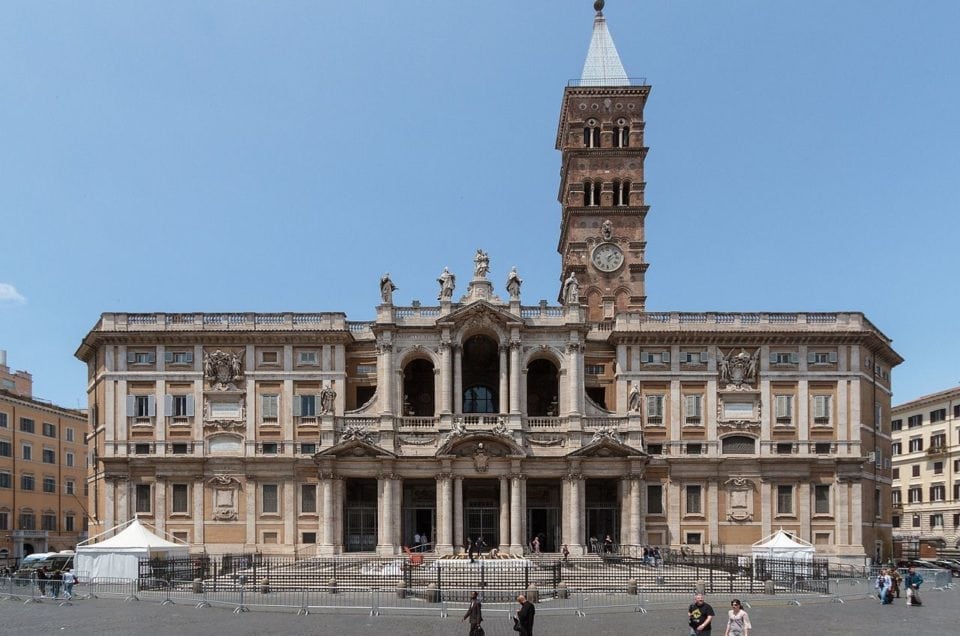
La chiesa di Santa Maria Maggiore a Roma fu eretta, secondo la tradizione, dopo...
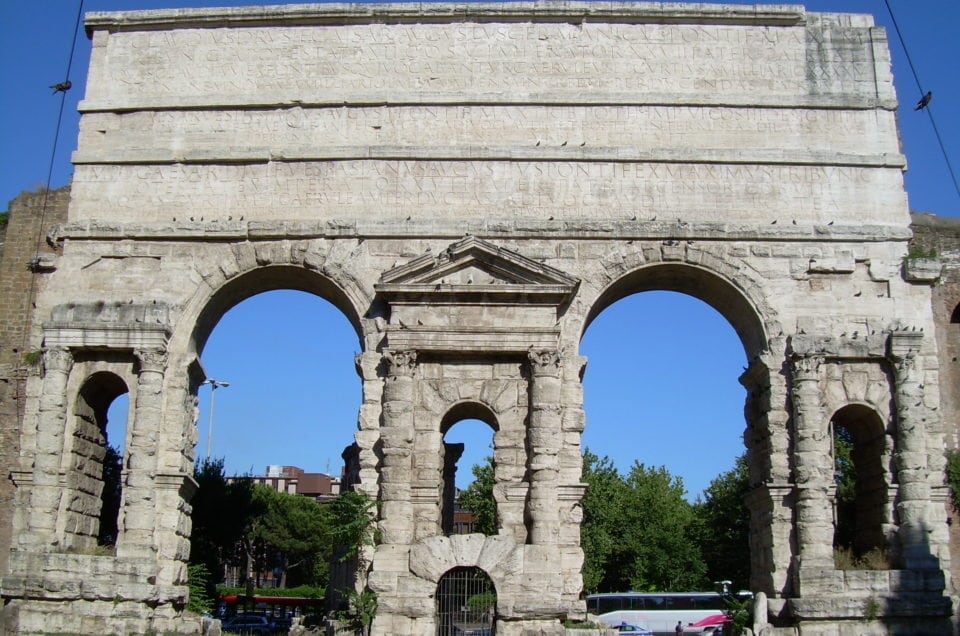
La Prenestina è un quartiere storico della periferia est della Capitale e si estende...
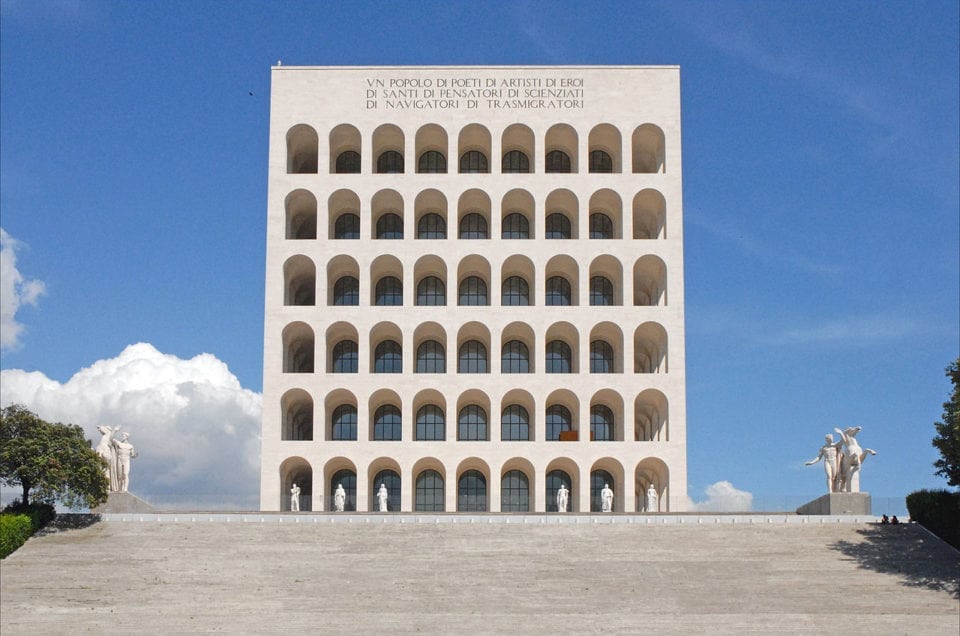
Il quartiere Eur, costellato di hotel, si trova nella zona sud-est della città,...
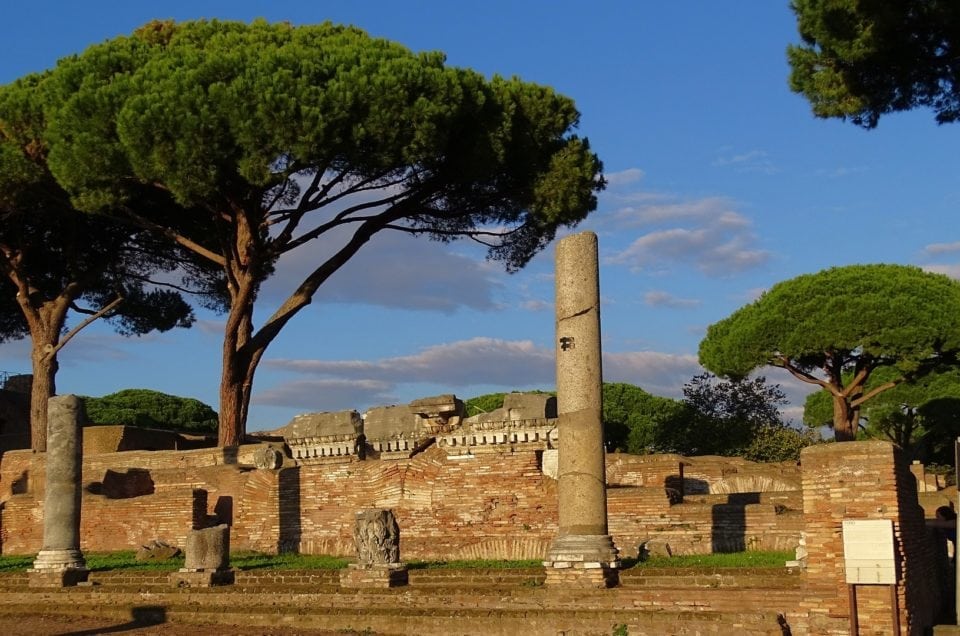
Ostia, il Lido di Roma, è una località marina di recente costituzione. Soggiornando...
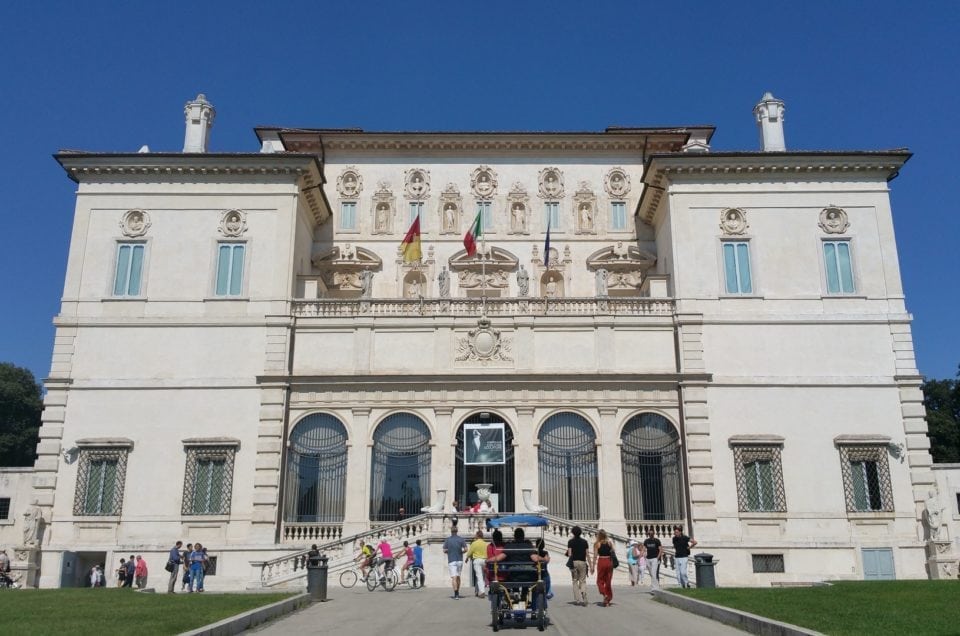
Villa Borghese a Roma, non distante da Porta Pia, nasce nel XVII secolo per volontà...
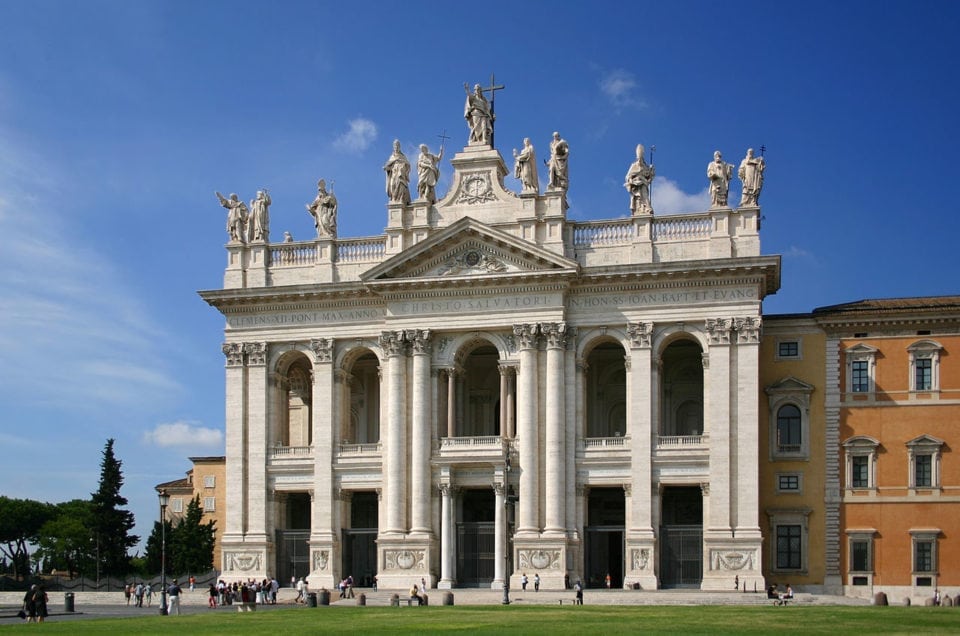
La Basilica di San Giovanni in Laterano a Roma, sorge nella parte meridionale...