Urlaub Mitte von Rom

- Informationen für Ferien und Tourismus Mitte von Rom.

Mitte von Rom


Caracallathermen

Caracallathermen

Die Caracallathermen sind unter den zahlreichen großen kaiserzeitlichen Thermalkomplexen der, der sich am besten erhalten hat. Der Bau zeigt den ursprünglichen Plan, wenn auch ohne Marmorverkleidungen und Dekorationen, und zeigt wichtige Eigenschaften der römischen Architektur: Axiale Ausrichtung, Symmetrie und funktionalen Charakter.

Flaminio - Parioli

Flaminio - Parioli

Amongst the first quarters of Rome, the Flaminio ( so called because of the homonym road ) was born in 1911 together with other 14 districts; it is placed near the Mura Aureliane and to the Tiber River, and borders on the Quartiere Della Vittoria, on Parioli, on the Pinciano and on Campo Marzio.

Trevi Fountain - Quirinale

Trevi Fountain - Quirinale

The Trevi Fountain of Rome, realized under the Pontificate of Clemente XII around 1735 after Christ along the "Palazzo Poli", is the work of the architect Nicolò Salvi and it is still nowadays alimented by the water supply system Virgin projected in 19 before Christ by the consul Agrippa.

Termini-Bahnhof

Termini-Bahnhof

Die italienische Regierung ererbte von Papst Pius IX den Entwurf, nach dem mit dem Bau des wichtigsten Bahnhofs von Rom begonnen worden war. Dieser war für die neuen Reisenden des 19. Jhs. gedacht und wurde in einem zentralen Gebiet errichtet, das zugleich frei von großen Gebäuden war und wo es das Wasser für den Betrieb der Dampflokomotiven gab. 1937 wollte man das Gebäude den Bedürfnissen der Weltausstellung von 1942 anpassen, und daher begann man mit den Umbauarbeiten, aber vom Entwurf wurden nur die langen Seitenmauern umgesetzt.

Kolosseum - Imperiale Foren

Kolosseum - Imperiale Foren

The Colosseum and Imperial Forums of Rome are maybe the best testimony of the grandness and the magnificence of the imperial Rome.

The Colosseum of Rome was built in bricks and clad of travertine in a valley among the Palatino, Esquilino and Celio hills after the drainage of a small lake used by Nero for his Domus Aurea.

Pantheon

Pantheon

Die Piazza Rotonda ist von einer Reihe von Gebäuden aus verschiedenen Zeiten umgeben, von denen das älteste - nach dem Pantheon - das historische Hotel Sole am Pantheon ist, wo im 16. Jh. Ludovico Ariosto und am Ende des 19. Jhs. Pietro Mascagni wohnten.

the stairs of piazza di spagna

Piazza di Spagna

Das optische Ende der via del Babuino ist der Baraccia-Brunnen, der Mittelpunkt der unregelmäßig geformten Piazza di Spagna. Auf den Brunnen, der von Pietro Bernini, dem Vater des berühmten Gian Lorenzo geschaffen worden ist, geht die großartige Treppe der Kirche .

Piazza Navona

Piazza Navona

Die Piazza Navona ist eines der außergewöhnlichsten Beispiele für urbanistische Kontinuität; der Umriss des Platzes folgt genauestens dem des darunterliegenden Stadions des Domitian dessen Reste man in 6 m Tiefe noch sehen kann. Das vom Kaiser an Stelle des neronischen Gymnasiums errichtete Stadium diente zu Wettläufen und hatte eine langrechteckige Form; im Gegensatz zu den Circusbauten hatte es keine Mittellinie.

Cestia Pyramid - Testaccio

Cestia Pyramid - Testaccio

The Cestia Pyramid in Rome is a funerary monument dedicated to the member of the "College of the Septemviri" Caio Cestio Epulone, who probably died in 12 B.C. The work, which well demonstrates what kind of fascination the Egypt exercised on the aristocratic classes of Rome after the conquest of 30 B.C., is built in concrete and externally covered by marble slabs.

Prati

Prati

The Prati (Lawns) district, that owns its name thank to the grass-clad expanse, to vineyard and to bed of reefs that covered the area in the Ancient Rome age, going from the Castel Sant'Angelo to Ponte di Margherita, is the youngest area of the City, and is studded with many shops and famous ways ( such as Via Cola di Rienzo ); there are many others tourist accommodation and hotels in Rome, Prati location.

Repubblica -  Via Nazionale - Piazza Venezia

Repubblica - Via Nazionale - Piazza Venezia

A few meters from Termini Station you can find Piazza della Repubblica, one of the historic squares of Rome. Until the Fifties that square was known as Piazza Esedra (many still call it so today), so called because of the fact that covers exedra-theater of the ancient Baths of Diocletian, which still face the square.

San Lorenzo - La Sapienza University

San Lorenzo - La Sapienza University

San Lorenzo, district that gained its name form the San Lorenzo Door ( the current Porta Tiburtina, form where you can reach the Esquilino District ) or, more probably, from the Basilica di San Lorenzo Fuori le Mura, is defined by the Mura Aureliane (Aurelio's Wall), by the Tiburtina Way and by the Verano, the famous and monumental cemetary of the city. In this quarter of Rome, many hotels offer very good possibilities for your stays.

Basilika Santa Maria Maggiore

Basilika Santa Maria Maggiore

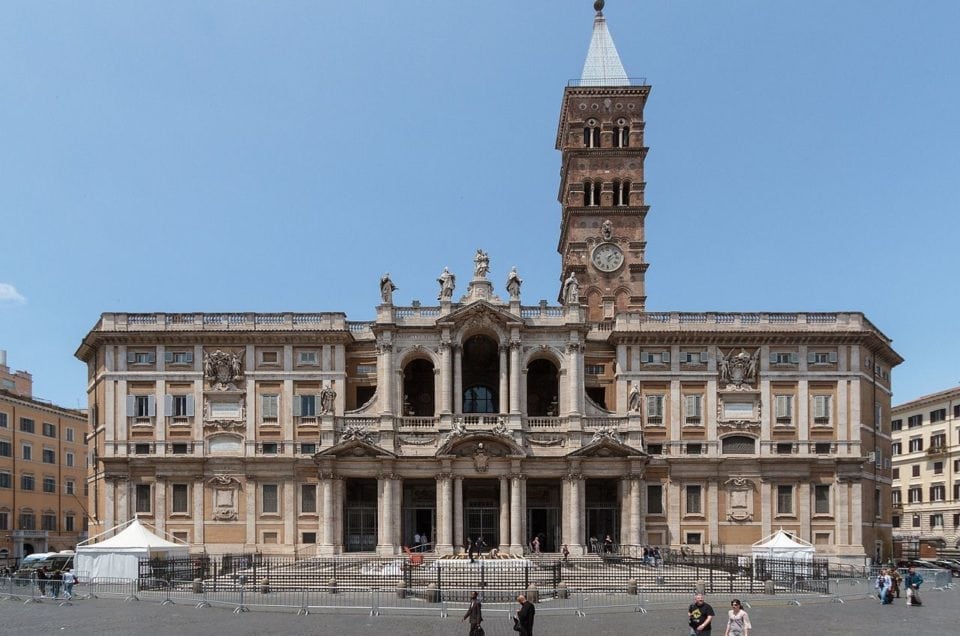
Es handelt sich um die größte aller Marienkirchen. Nach einer alten Legende wurde sie an dem Ort errichtet, wo es in der Nacht vom 4. auf den 5. August 356 durch ein Wunder schneite. Die Urkunden datieren sie ins folgende Jahrhundert. Sixtus III ließ die große Kirche für die Jungfrau errichten, die vom Konzil von Ephesos als Mutter Gottes anerkannt worden war.

Lateransbasilika

Lateransbasilika

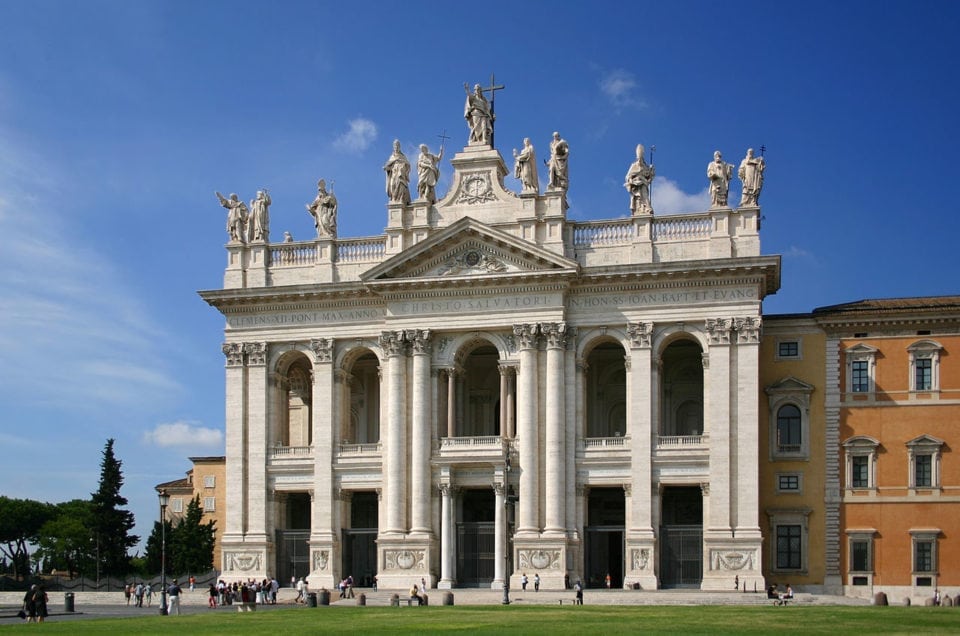
Die Lateransbasilika, San Giovanni in Laterano, zeigt die monumentale Fassade, die im 18. Jh. als Ende einer langen Reihe von Umbauarbeiten von Alessandro Galilei errichtet wurde. Der große Platz vor der Basilika dient geistlichen und weltlichen Veranstaltungen. Hier finden religiöse Zeremonien statt, aber auch politische Demonstrationen.

Trastevere - Gianicolense

Trastevere - Gianicolense

Rome Trastevere is considered by numerous people the most authentic Roman quarter because, even though it is located not far away from the main tourist areas of the city, it has preserved the own characteristic rhythm and lifestyle.

Vatican City - Castel Sant'Angelo

Vatican City - Castel Sant'Angelo

The City of the Vatican in Rome is an autonomous State governed directly by the Pontificate and officially recognized through the "Patti Lateranensi" of 1929 by the Italian Republic.

Via Veneto - Barberini

Via Veneto - Barberini

The entire area of Via Veneto in Rome, which became famou because sign offashion and glamour in Rome nights at the time of period of the "dolce vita" /from the title of Fellini's masterpiece), was designed around 1889 and called Vittorio Veneto.

Villa Borghese

Villa Borghese

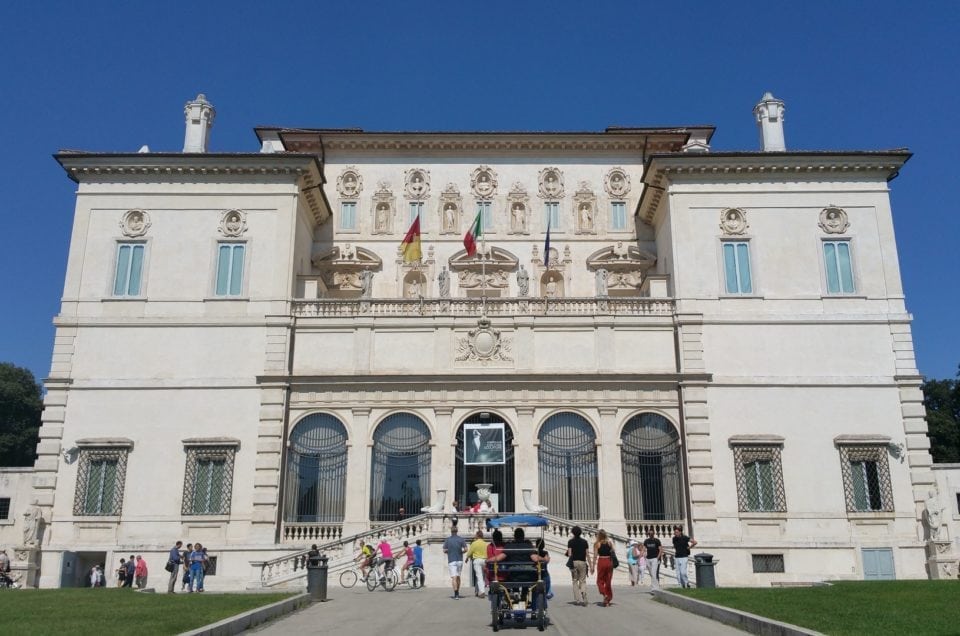
Die beiden Propyläen, die im dritten Jahrzehnt des 19. Jhs. von Luigi Canina enworfen wurden, geben den Eingang der Villa Borghese an, dem bis zum Ende des 19. Jhs. beliebtesten unter den unzähligen Parks von Rom.

Gehen Sie on-line und suchen Sie Ihr Hotel in Rom mit unserem Reservierungssystem.
Ist es einfach, sicher und schnell!
Vertiefung
Netzbetriebsmittel
Über Uns | Kundendienst | Übersicht der Website | Privacy Policy