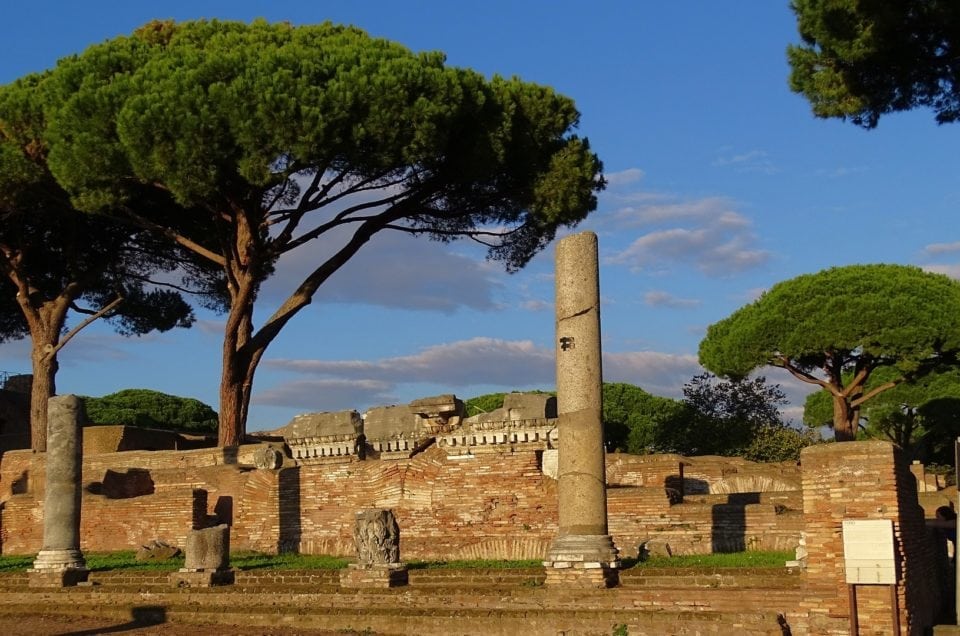
The Baths of Caracalla or Antoniane in Rome, a complex including a square area of roughly 330 metres of side, were realised between 212 and 217 after Christ on the will of the Imperator Caracalla.
The Colosseum and Imperial Forums of Rome are maybe the best testimony of the grandness and the magnificence of the imperial Rome.
The Colosseum of Rome was built in bricks and clad of travertine in a valley among the Palatino, Esquilino and Celio hills after the drainage of a small lake used by Nero for his Domus Aurea.
Amongst the first quarters of Rome, the Flaminio ( so called because of the homonym road ) was born in 1911 together with other 14 districts; it is placed near the Mura Aureliane and to the Tiber River, and borders on the Quartiere Della Vittoria, on Parioli, on the Pinciano and on Campo Marzio.
The Trevi Fountain of Rome, realized under the Pontificate of Clemente XII around 1735 after Christ along the "Palazzo Poli", is the work of the architect Nicoḷ Salvi and it is still nowadays alimented by the water supply system Virgin projected in 19 before Christ by the consul Agrippa.
The temple of the Pantheon in Rome was built on the area of the "Campo Marzio", where, according to an antique tradition, the founder of city, Romulus, would have reached the sky.
The irregular form of Rome "Piazza di Spagna" opens itself in front of the hill of the Pincio, at the footsteps of the stairs of the "Trinità dei Monti" (Trinity of the Mounts) and it is an ideal departure point for the famous and fashionable Via Condotti.
The area of Piazza Navona in Rome copies the dimensions and the form of the antique Stadium of Domiziano dating from the Roman times; an arena more than 270 metres long and roughly 55 meters large, built around 86 after Christ and able to welcome up to 33000 persons.
The Cestia Pyramid in Rome is a funerary monument dedicated to the member of the "College of the Septemviri" Caio Cestio Epulone, who probably died in 12 B.C. The work, which well demonstrates what kind of fascination the Egypt exercised on the aristocratic classes of Rome after the conquest of 30 B.C., is built in concrete and externally covered by marble slabs.
The Prati (Lawns) district, that owns its name thank to the grass-clad expanse, to vineyard and to bed of reefs that covered the area in the Ancient Rome age, going from the Castel Sant'Angelo to Ponte di Margherita, is the youngest area of the City, and is studded with many shops and famous ways ( such as Via Cola di Rienzo ); there are many others tourist accommodation and hotels in Rome, Prati location.
A few meters from Termini Station you can find Piazza della Repubblica, one of the historic squares of Rome. Until the Fifties that square was known as Piazza Esedra (many still call it so today), so called because of the fact that covers exedra-theater of the ancient Baths of Diocletian, which still face the square.
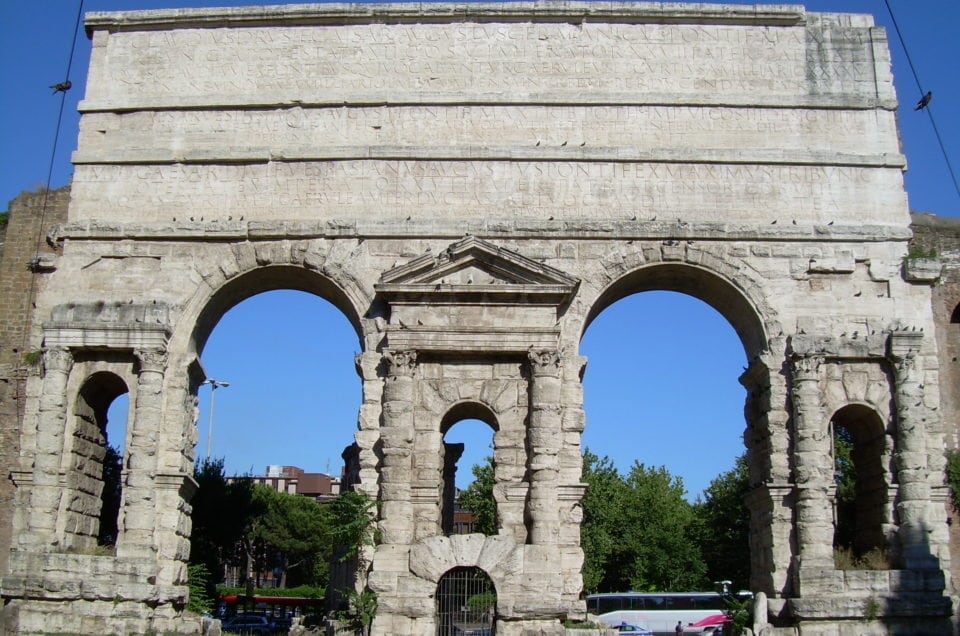
San Lorenzo, district that gained its name form the San Lorenzo Door ( the current Porta Tiburtina, form where you can reach the Esquilino District ) or, more probably, from the Basilica di San Lorenzo Fuori le Mura, is defined by the Mura Aureliane (Aurelio's Wall), by the Tiburtina Way and by the Verano, the famous and monumental cemetary of the city. In this quarter of Rome, many hotels offer very good possibilities for your stays.
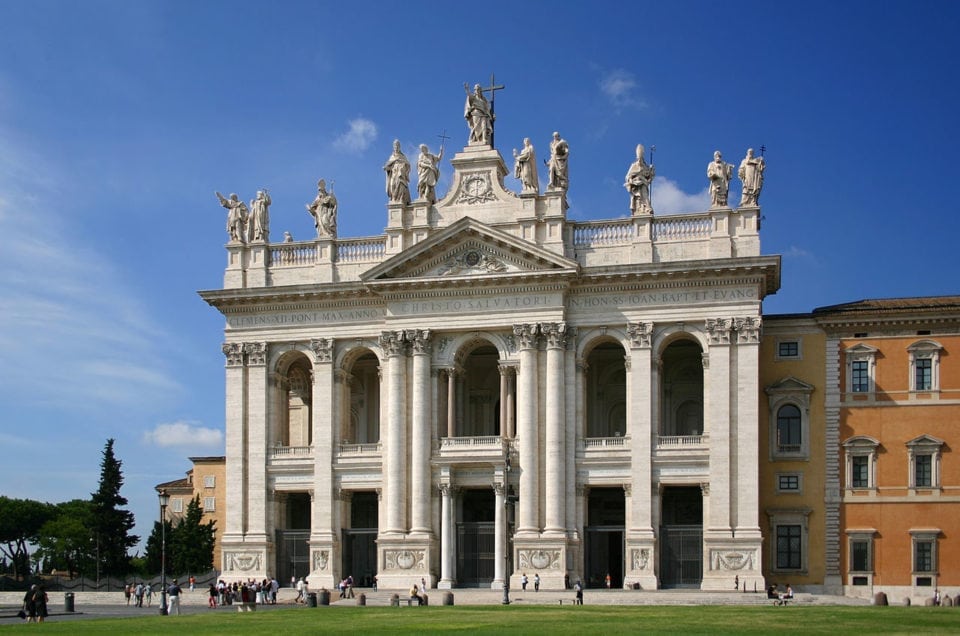
The Basilica of St.John in Lateran in Rome is located on the southern part of the Celio Hill, on the properties that during the imperial era were belonging to the family of the Laterani and to whom they were taken away by Nerone after that, during a conspiracy, the consul Plauzio Laterano had attempted to his life.
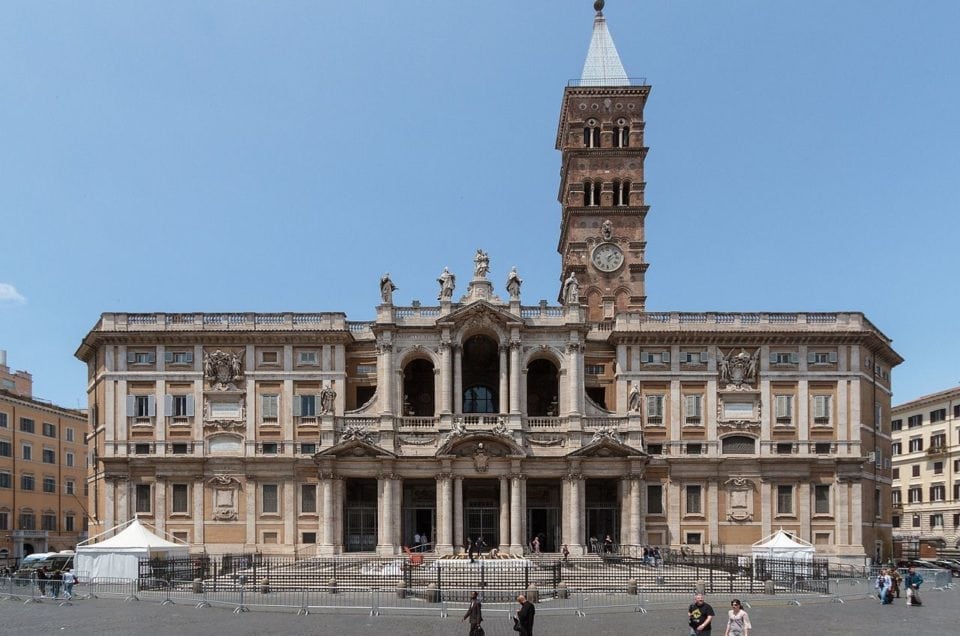
The church of St.Mary Major in Rome was built, according to the tradition, after the apparition of the Madonna in dream to Pope Liberio.
The actual structure of the train Termini Station in Rome was inaugurated in the occasion of the Saint year of 1950 and constitutes the old edifice in wood of 1867 projected by Salvatore Bianchi.
Rome Trastevere is considered by numerous people the most authentic Roman quarter because, even though it is located not far away from the main tourist areas of the city, it has preserved the own characteristic rhythm and lifestyle.
The City of the Vatican in Rome is an autonomous State governed directly by the Pontificate and officially recognized through the "Patti Lateranensi" of 1929 by the Italian Republic.
The entire area of Via Veneto in Rome, which became famou because sign offashion and glamour in Rome nights at the time of period of the "dolce vita" /from the title of Fellini's masterpiece), was designed around 1889 and called Vittorio Veneto.
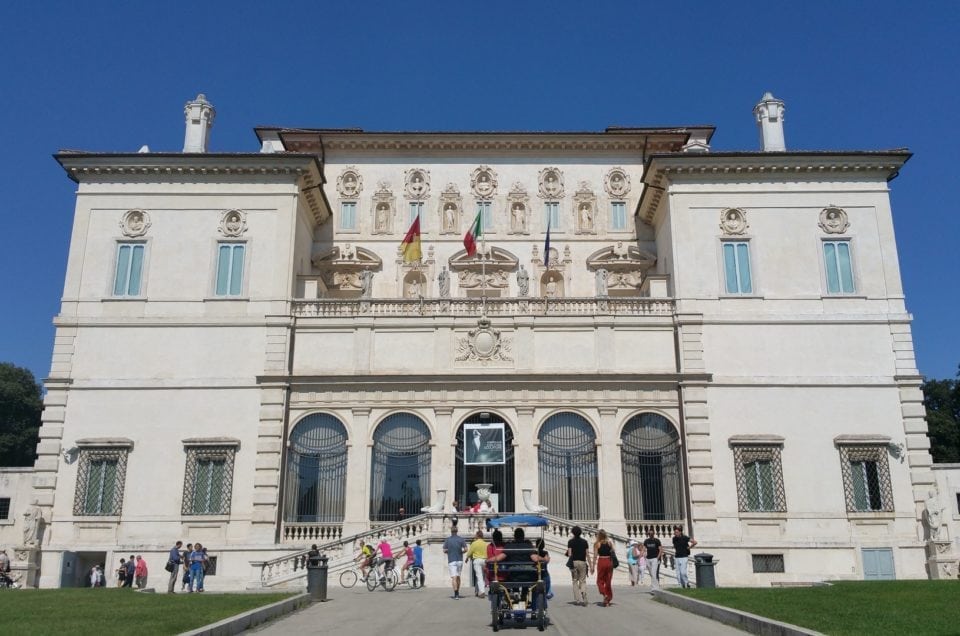
Villa Borghese in Rome was born during the 18th century on the desire of the Cardinal Scipione Caffarelli Borghese, nephew of Paolo V, on the area going from the Flaminio to the Parioli quarter and where antiquely were located the "horti of Lucullo".